
High-rise living means elevators, rain, and sometimes a very full bladder before you hit the sidewalk. An indoor potty option can save carpets and friendships with your neighbors—but only if smell stays under control.
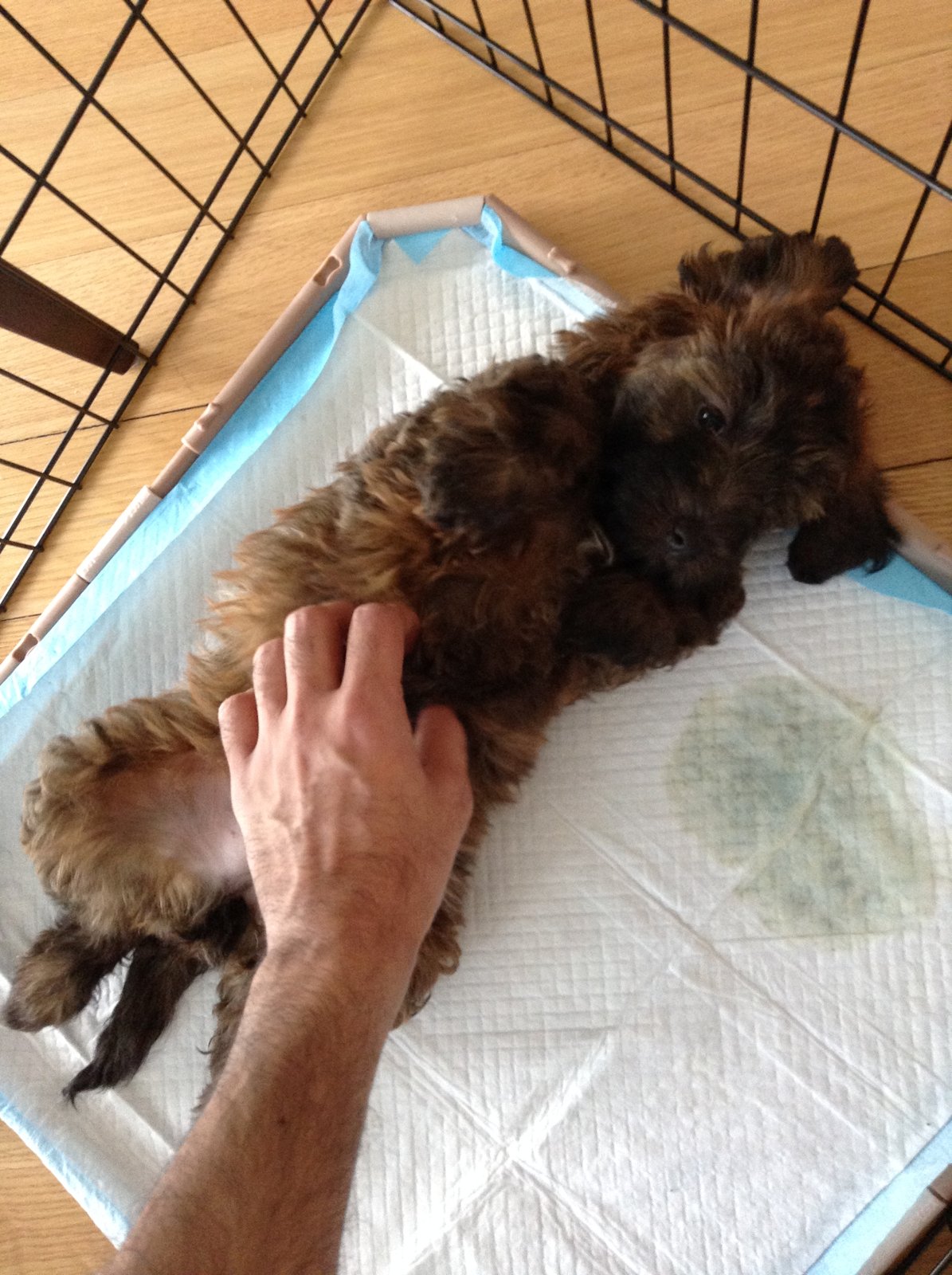
Here are three odor-minded setups we think are worth a look, plus a simple guide to keeping your place fresh.
Quick Picks
| Solution | Approx. Price | Odor Approach | Best For |
|---|---|---|---|
| Fresh Patch Real Grass Pee Pad | ~$20–$40 per patch (delivery plans vary) | Real grass; swap on a schedule | Dogs who prefer grass over pads |
| PetSafe Pet Loo Portable Pet Potty | ~$40–$70 | Tray + grid + pad system | Balconies and dedicated potty corners |
| Amazon Basics Dog Pee Pads (with holder) | ~$15–$35 (pads + holder) | Absorbent pads; change often | Puppies and backup emergency potties |
Prices change often. Check the current price at each link.
1. Fresh Patch Real Grass Pee Pad
Check Amazon for current price: Fresh Patch Real Grass Pee Pad
Fresh Patch delivers a tray of real grass your dog can use indoors or on a balcony. Many city dogs take to it faster than fake turf because it smells and feels like the real thing. Odor stays manageable when you follow the swap schedule and keep the tray from getting soggy.
It’s not zero-maintenance—you’re managing a living (or at least organic) surface—but for apartment dogs who refuse puppy pads, it can be the difference between stained rugs and a calm morning.
Best for: Dogs who insist on grass, balconies with a bit of space, and WFH potty breaks.
Pros
-
Real grass appeals to many “pad refusing” dogs
-
Clear routine: use, then replace on schedule
-
Better scent profile than a week-old fake-turf tray if maintained
-
Useful for puppies and senior dogs who can’t wait for the elevator
Cons
-
Ongoing cost versus one-time fake turf
-
Needs a dedicated spot that can handle moisture
-
Must stick to replacement timing or odor climbs fast
-
Delivery and building package rooms can be annoying
2. PetSafe Pet Loo Portable Pet Potty
Check Amazon for current price: PetSafe Pet Loo Portable Pet Potty
The PetSafe Pet Loo uses a grid over an absorbent pad (and optional synthetic turf top on some kits) so urine drains down and away from paws. That separation is the odor trick: less urine sitting on the surface your dog stands on, less smell in a small room.
It’s a solid balcony or mudroom-corner option. Empty and replace pads on a real schedule—apartments don’t forgive “I’ll do it tomorrow” the way a backyard might.
Best for: A permanent indoor/balcony station with easier cleaning than a plain pad on the floor.
Pros
-
Grid design helps keep paws cleaner
-
More structured than loose pads alone
-
Portable enough to move for cleaning days
-
Works as a training station near the door
Cons
-
Still depends on fresh pads for odor control
-
Synthetic surfaces need washing or they’ll smell
-
Takes a rectangle of floor or balcony space
-
Some dogs need training to target it
3. Amazon Basics Dog Pee Pads (Plus a Holder)
Check Amazon for current price: Amazon Basics Dog and Puppy Pee Pads
Simple pee pads aren’t glamorous, but a stack of absorbent pads plus a holder tray is the cheapest odor strategy that still works: change them immediately when used. In a small apartment, a used pad left for hours is what creates that “doggy hallway” smell neighbors notice.
Use pads as a puppy tool, a senior backup, or an emergency option when you can’t get downstairs fast. Pair with an enzymatic cleaner for misses—regular soap often leaves scent that invites repeat accidents.
Best for: Puppies, backup plans, and tight budgets that can commit to frequent changes.
Pros
-
Inexpensive and easy to stock
-
Holder keeps pads from tracking across the floor
-
Fine for travel or temporary needs
-
Widely available in bulk
Cons
-
Odor gets bad fast if you don’t change promptly
-
Some dogs shred or eat pads—supervise
-
Not as “natural” feeling as grass for some pups
-
Creates trash; plan your building’s disposal rules
Buying Guide: What Matters in a Small Space
Odor is about schedule, not magic plastic. Any system smells if it sits. Daily (or per-use) resets beat fancy marketing.
Pick a scrubbable corner. Vinyl, tile, or a balcony beat carpet. Put a waterproof mat under whatever system you buy.
Ventilation helps. A bathroom with a fan or a slightly cracked balcony door does more than another scented candle.
Train like it’s outdoors. Same leash routine, same cue word, same praise. Indoor potties fail when the rules are fuzzy.
Enzymatic cleaner on standby. Accidents happen. Skip ammonia-based cleaners that can smell like urine to dogs.
FAQ
Will my landlord allow an indoor potty?
Check your lease and building rules, especially for balconies. Protect floors with trays and mats either way.
How do I stop the whole apartment from smelling?
Change surfaces on time, wash washable turf, run ventilation, and never let a soaked pad “wait until tonight.”
Can indoor potties replace walks?
No. They’re a backup and a training aid. Dogs still need outside time, sniffing, and exercise.
Which One Should You Pick?
Start with your dog and your building:
-
Dog only wants grass, and you can handle swaps? Go with the Check Amazon for current price: Fresh Patch Real Grass Pee Pad.
-
Want a reusable station on a balcony or in a tiled corner? The Check Amazon for current price: PetSafe Pet Loo Portable Pet Potty is our structured pick.
-
Need a cheap, change-often backup for puppies or emergencies? Stock Check Amazon for current price: Amazon Basics Dog and Puppy Pee Pads with a simple holder.
Whichever you choose, treat odor control like dishes: do it sooner than you want to. A fresh-smelling apartment keeps City Pups life neighbor-friendly.
Disclosure: City Pups is reader-supported. If you buy through links on this page, we may earn a small commission from Amazon or other retailers, at no extra cost to you. We only recommend gear we think suits apartment life.